This post expands and explains my
Waitangi Day post.
The Treaty of
Waitangi,
Te Tiriti o Waitangi, is the founding document of our nation. It was signed at
Waitangi on 6 February 1840 by a representative of the British Crown and a gathering of Maori Chiefs. Over the next several months 500 further signatures were added by representatives of most tribal groups. It granted the Queen
governorship over New Zealand, granted Maori continued chieftainship and ownership of their lands and treasures (
taonga), specified Maori would only sell land to the Crown, and grants Maori the same rights as other British subjects. For its time, I think, it was quite a reasonable agreement.
The treaty, unsurprisingly, was not the end of the story. Some tribes, also quite reasonably, refused to sign the treaty and some were never given the opportunity. The two versions of the treaty, one in English and one in Maori, differed, putting the exact meaning in doubt. The treaty was not ratified and did not have legal recognition until 1975. Many of the Maori signatories had no experience of what the British meant by land ownership or
governorship and the British did not understand what retaining
chieftainship meant to Maori. The treaty was not honoured. Land and
taonga were taken without consent.
In 1975 the
Waitangi Tribunal was set up to investigate and make recommendations to the government to resolve claims of breaches to the treaty. It has been key to the resolution of some significant breaches of the treaty.
Very sadly breaches of the treaty are still occurring. In 2004 the Foreshore and Seabed Act was passed making the Crown owners of that land without Maori ever having sold it or being compensated in any way. I was among many who took part in the
hikoi to protest.
An explanation of the flags.
 Union Jack - I began the series with this flag partly because I think it is the first flag that would have been flown in NZ (by James Cook in 1769), partly out of mischievousness and partly as the Treaty of Waitangi was between the British Crown and Maori, and to start and end with very strong, deliberately controversial images for Waitangi Day.
 Flag of the United Tribes of New Zealand - The first true New Zealand flag adopted by the United Tribes of New Zealand at a meeting of Maori chiefs in 1834.
 New Zealand Flag - The deeply familiar symbol of our country in use since1869. Lots of Kiwis, including me, would like to change but can't agree what to.
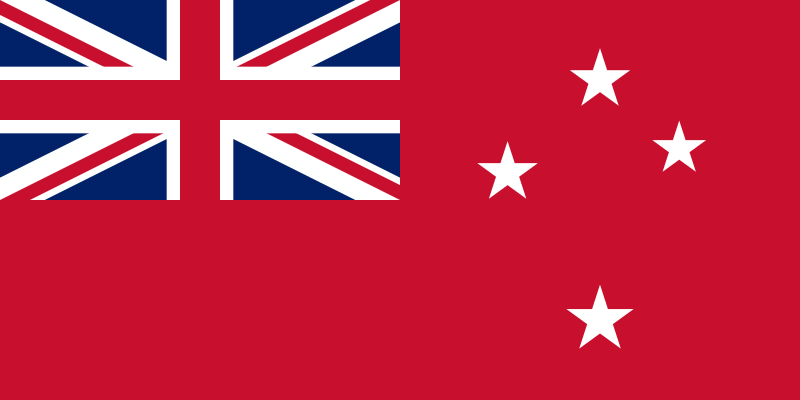
 New Zealand Red Ensign - Before doing the flag post I could have told you that it is a nautical flag and that it is associated in my mind with Waitangi Day, if pressed I'd have guessed that association was naval. Now I know better, the red ensign is flown during Maori events (including at Waitangi on Waitangi Day) because there is a traditional Maori preference for a red flag.
 Green Spiral Flag - The Austrian architect Friedensreich Hundertwasser had a passionate love for New Zealand and adopted it as his second home. He is remembered here for a fabulous toilet and this flag he designed in 1983 which is loved by greenies and ignored by everyone else. I have deliberately chosen a picture of this flag which is slightly rumpled and real, trying to embody a sense of flag as a cherished object not just a symbol.
 Stylised Silver Fern Flag - This has become one of the front runners in the bid to change the New Zealand flag. It is inspired by the white fern on black symbol of the All Blacks - if Kiwis can't agree on anything else at least they can agree on the rugby. However black is a controversial colour for a flag, the design has a corporate logo feel and it acknowledges without including Maori symbols. This flag was designed by Cameron Sanders in about 2004.
 Flag of Tino Rangatiratanga - This is the unofficial Maori flag and the flag of the Maori Sovereignty Movement (Tino Rangatiratanga). One of the key differences between the treaty in English and Maori was the words used for what was ceded to the Crown and what was kept. In Maori what was ceded was kawanatanga (governorship) and what was kept was tino rangatiratanga (absolute chieftainship, usually referred to as sovereignty). What exactly Maori sovereignty would entail is unclear and this uncertainty leads to fear and resistance from most pakeha New Zealanders. I've chosen a moving image of this flag to show the active nature of a movement seeking change, to evoke the protestors flags in the wind at Waitangi, and to make it seem not just a observation but a statement.
For more information check out Wikipedia from which you can find out more about nearly all of this. There are also a number of other sites covering the treaty online including this NZ government one and this Tino Rangatiratanga one.